

What NAD+ Can Do for Aging (and What It Can't)
What NAD+ Is
NAD+ is a molecule found in every one of your cells, and its main job is unglamorous but essential: it helps turn the food you eat into the energy your cells run on. Almost every process that keeps a cell working leans on it in some way.¹
The hype and what's real
Search NAD+ and you'll drown in promises. Reverse aging. Turn back your cellular clock. Feel twenty-five again. It's become the poster molecule for the whole longevity industry.
The compounds surrounding it
NAD+ isn't in there alone. It's joined by a few compounds from the same corner of aging research, each studied for a different piece of the puzzle.
-
Resveratrol. Found in grapes and red wine, it's studied for switching on SIRT1, an enzyme involved in how cells respond to stress and aging. That switch runs on NAD+ to work, which is the direct link between the two: resveratrol flips it, NAD+ powers it.³
-
Quercetin. A flavonoid in onions and apples, best known as an antioxidant. It's studied in the same senescent-cell research as fisetin, usually alongside other compounds, which is why the two often appear together.⁴
-
Fisetin. A flavonoid found in strawberries, and the frontier one here. In animal studies, it's stood out among natural compounds for clearing senescent cells, the worn-out "zombie" cells that stop working properly but linger in tissues and drive inflammation as we age. It's early, proof-of-concept research, but it's some of the most exciting work in the field.⁵
Where that leaves us
So where does that leave us? We can't stop our cells from aging, and no capsule can turn back time. We covered why the biggest promises outrun the evidence. But the underlying story is real: NAD+ and the systems around it are a reasonable thing to support the machinery that carry us through the years.
References
-
Covarrubias AJ, Perrone R, Grozio A, Verdin E. NAD+ metabolism and its roles in cellular processes during ageing. Nat Rev Mol Cell Biol. 2021;22(2):119-141. doi:10.1038/s41580-020-00313-x
-
Vinten KT, Trętowicz MM, Coskun E, et al. NAD+ precursor supplementation in human ageing: clinical evidence and challenges. Nat Metab. 2025;7(10):1974-1990. doi:10.1038/s42255-025-01387-7
-
Rogina B, Tissenbaum HA. SIRT1, resveratrol and aging. Front Genet. 2024;15:1393181. doi:10.3389/fgene.2024.1393181Resveratrol activates SIRT1; lifespan findings are in model organisms, cited for mechanism.
-
Islam MT, Tuday E, Allen S, et al. Senolytic drugs, dasatinib and quercetin, attenuate adipose tissue inflammation, and ameliorate metabolic function in old age. Aging Cell. 2023;22(2):e13767. doi:10.1111/acel.13767Animal study; cited only for the senolytic mechanism (studied in combination), not metabolic findings.
-
Murray KO, Mahoney SA, Ludwig KR, et al. Intermittent supplementation with fisetin improves physical function and decreases cellular senescence in skeletal muscle with aging. Aging Cell. 2025;24(8):e70114. doi:10.1111/acel.70114Animal study (old mice); proof-of-concept, cited for the senolytic mechanism.
-
EFSA NDA Panel. Scientific opinion on the substantiation of health claims related to biotin and maintenance of normal skin and mucous membranes, maintenance of normal hair, reduction of tiredness and fatigue, and contribution to normal macronutrient metabolism pursuant to Article 13(1) of Regulation (EC) No 1924/2006. EFSA J. 2010;8(10):1728. doi:10.2903/j.efsa.2010.1728
Quick FAQ
Leer más
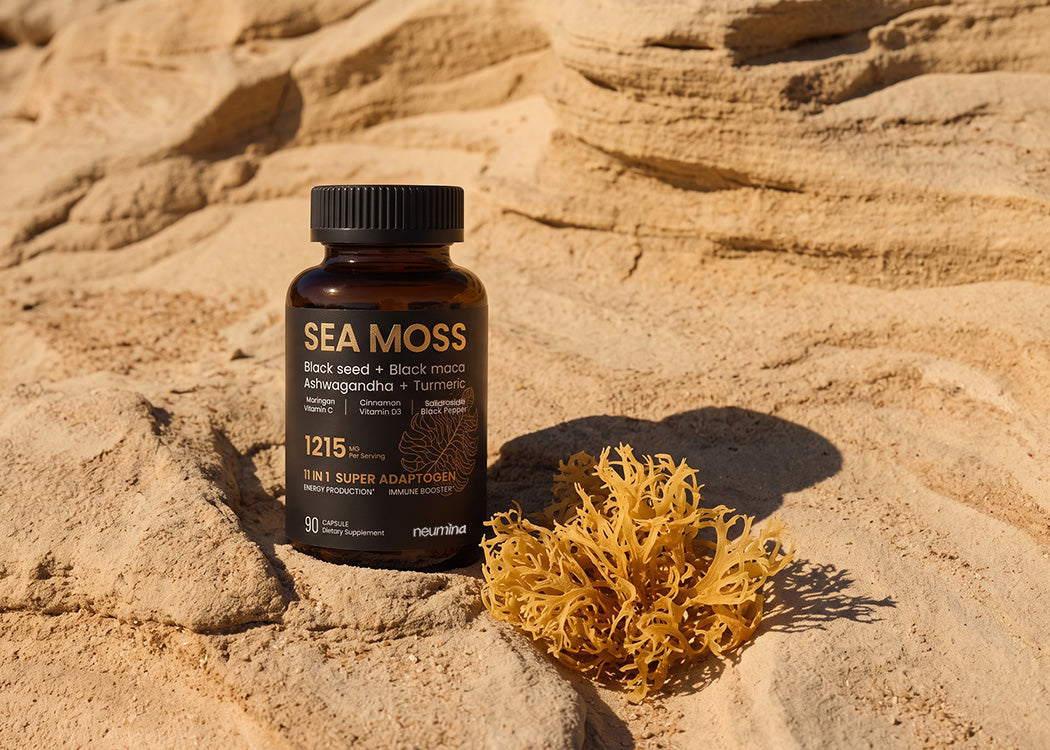
Scan the ingredient list on almost any new supplement and there's a good chance sea moss is on it. It went from a Caribbean folk remedy to something in half the capsules on the shelf, and there's a...
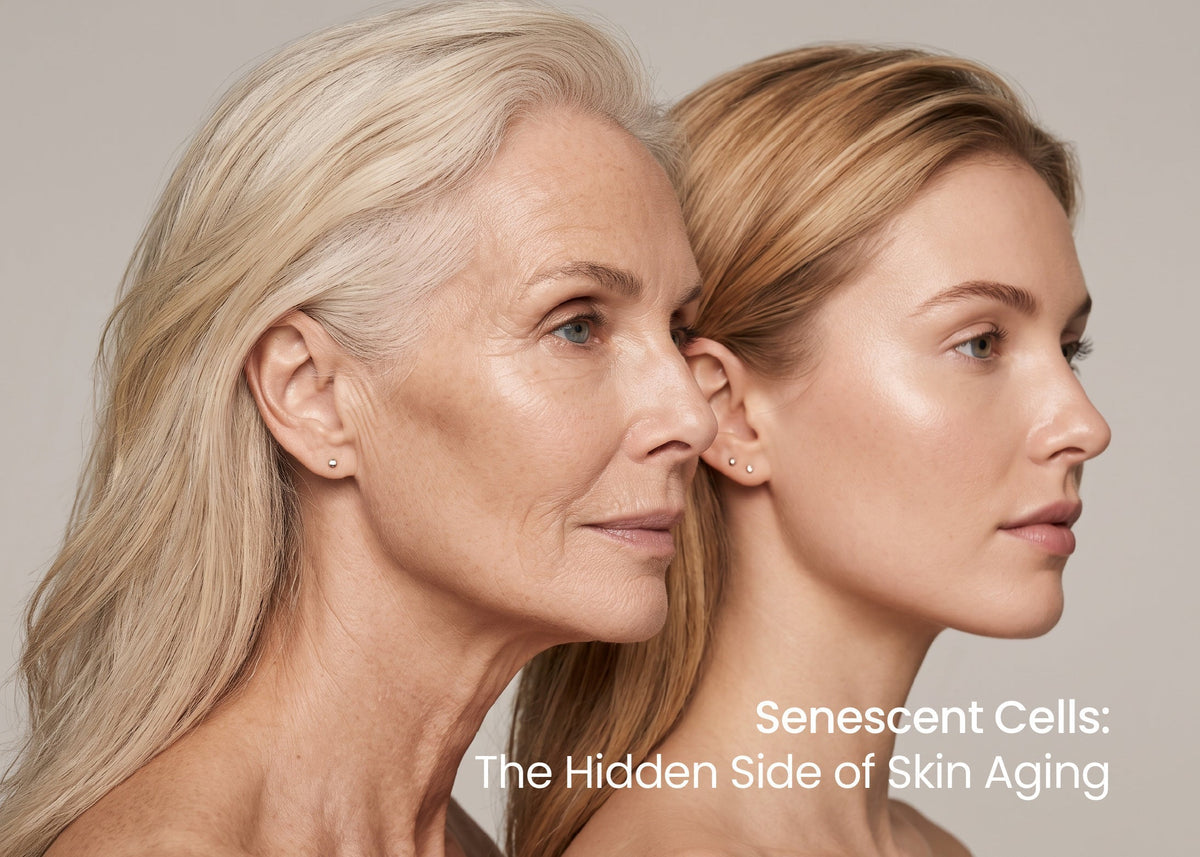
Every cell in your body has a life cycle. It's born, it does its work, and when it's worn out or damaged, it retires, and your body clears it away to make room for a fresh one. It happens billions ...
Dejar un comentario
Todos los comentarios se revisan antes de su publicación.
Este sitio está protegido por hCaptcha y se aplican la Política de privacidad de hCaptcha y los Términos del servicio.